Follow Me On Social Media!

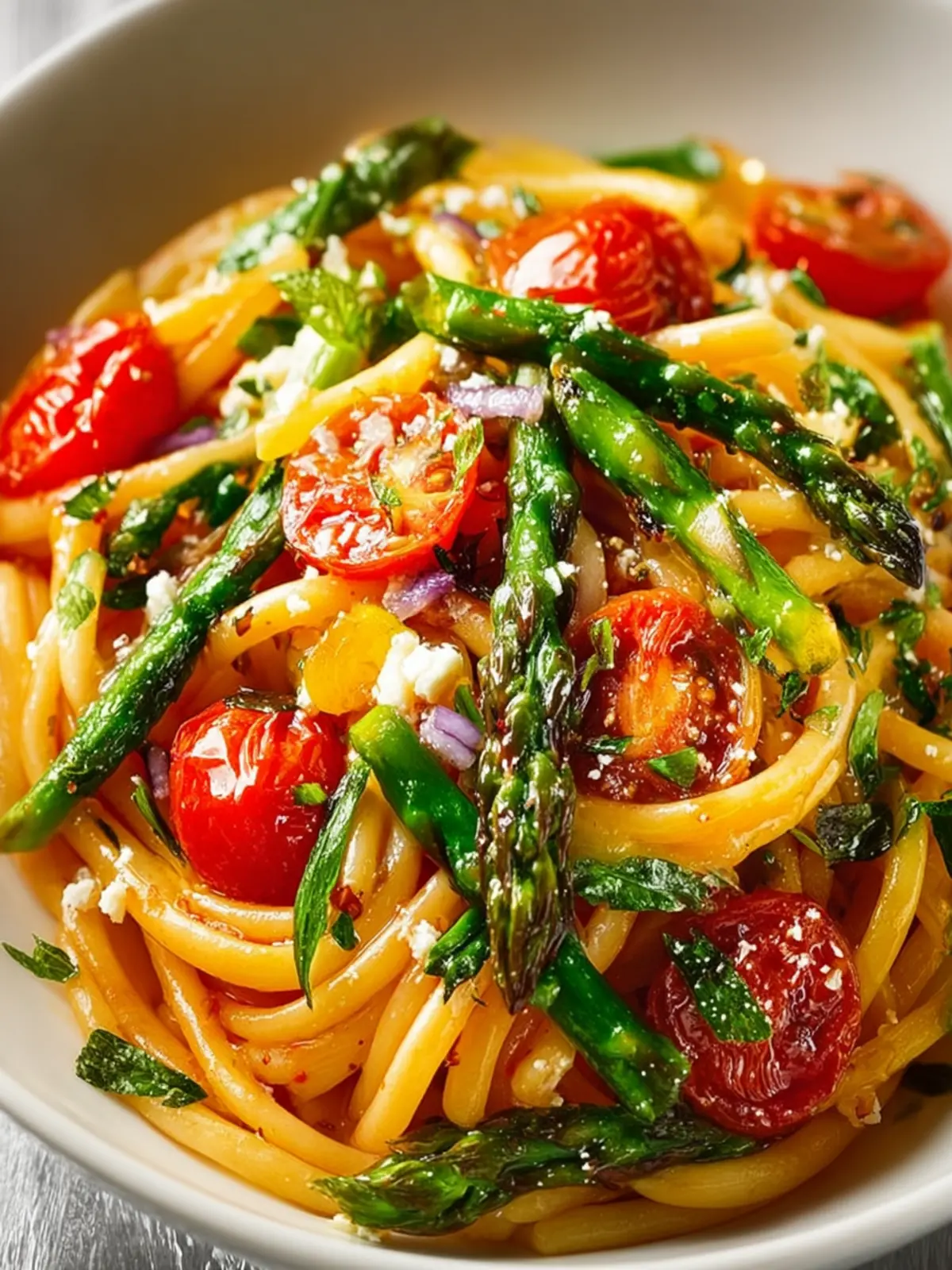
Vegetarian Pasta Primavera: The Best Fresh and Easy Dinner Delight

Introduction to Vegetarian Pasta Primavera
Imagine sitting down to a vibrant bowl of vegetarian pasta primavera, where the colorful medley of fresh vegetables dances with al dente pasta, creating a dish that’s not just a feast for the eyes but a delight for the palate. This recipe encapsulates the essence of seasonal produce and showcases the delightful flavors of nature in every bite. It’s a culinary experience that invites you to enjoy a wholesome, plant-based meal while celebrating the simple pleasures of cooking.
What makes vegetarian pasta primavera a staple is its incredible versatility and ease of preparation. Originating in Italy, this dish embodies the spirit of fresh, local ingredients combined in a way that allows you to savor each one. Whether you’re trying to incorporate more vegetables into your diet or simply looking for a quick weeknight dinner, this recipe serves as an ideal solution. The beauty of pasta primavera lies not only in its ingredients but also in its adaptability. You can swap out vegetables based on what’s in season or what you have on hand, keeping the dish exciting every time you make it.
The Heart of Vegetarian Pasta Primavera
This dish typically features a colorful array of vegetables which might include zucchini, bell peppers, broccoli, and cherry tomatoes. Here’s what makes these components shine:
-
Choice of Pasta: The choice of your pasta can influence the texture and heartiness of the meal. Options like fusilli, penne, or even whole grain pasta bring different personalities to the dish.
-
Freshness of Vegetables: Using fresh, seasonal produce not only enhances the flavor but also packs your meal with nutrients. By choosing green, red, yellow, and orange vegetables, you create not just a visually appealing plate but also a nutritionally balanced one.
-
Flavorful Sauce: A simple olive oil- or garlic-based sauce allows the freshness of the vegetables to shine through, making every bite satisfying without feeling heavy.
In summary, vegetarian pasta primavera isn’t just another dish; it’s a canvas for creativity, health, and taste. So, roll up your sleeves and let’s dive into making this delightful meal that celebrates the beauty of vegetables and the joy of cooking!
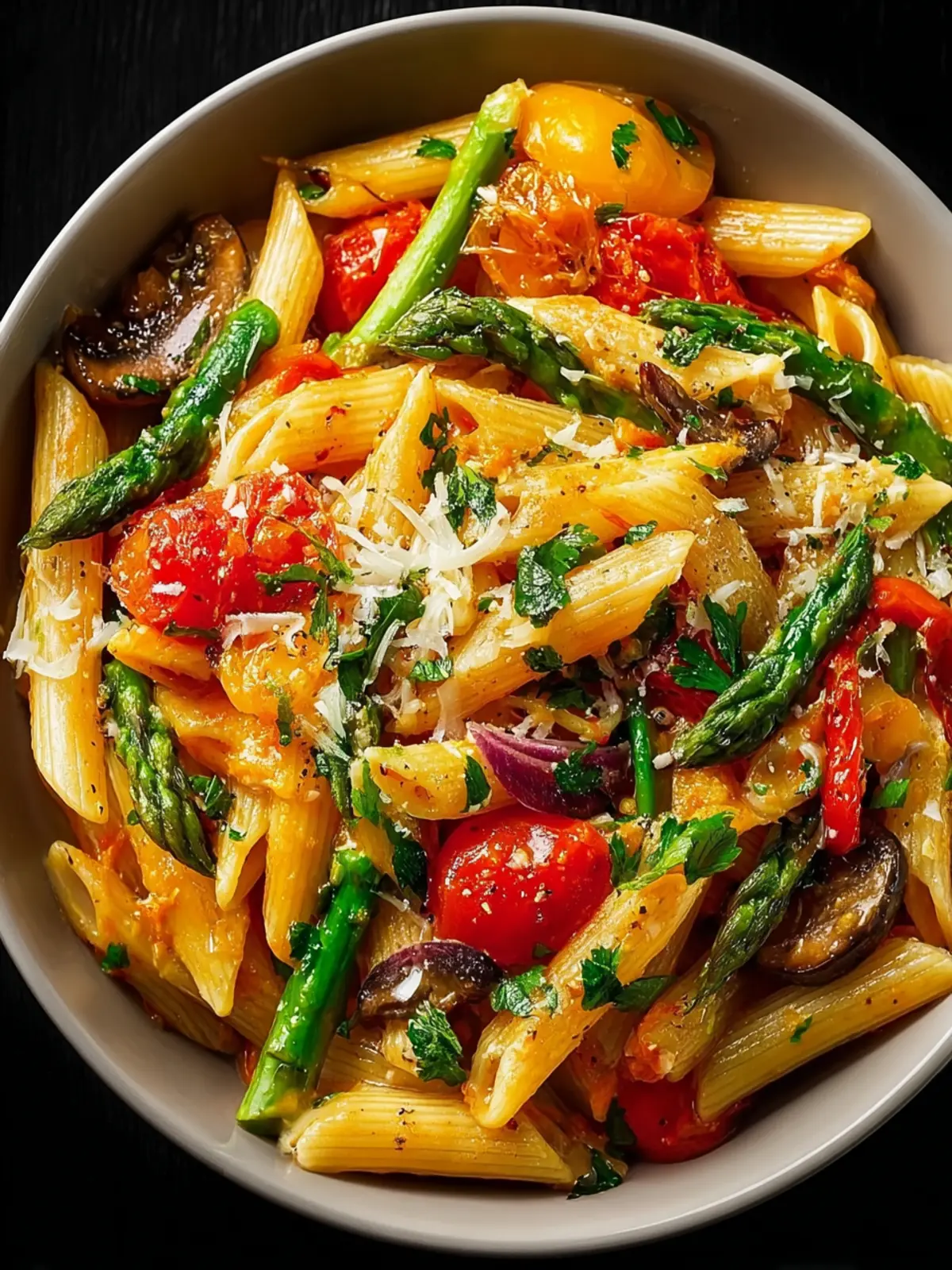
Key Ingredients for Vegetarian Pasta Primavera
Vegetarian pasta primavera is a celebration of vibrant vegetables and hearty pasta, creating a dish that’s not only delicious but also bursting with color and nutrition. The essence of this dish lies in selecting fresh, high-quality ingredients that harmonize beautifully.
-
Pasta: I prefer using whole wheat or gluten-free pasta for added nutrition and flavor. The texture of the pasta absorbs the sauce wonderfully, enhancing each bite.
-
Seasonal Vegetables: Zucchini, bell peppers, cherry tomatoes, carrots, and asparagus are my go-to choices. Opting for seasonal produce ensures the best flavor and freshness, making your pasta primavera truly shine.
-
Garlic: Fresh garlic is a must-have. It adds a punch of flavor that elevates the vegetables and blends seamlessly with the olive oil.
-
Olive Oil: A high-quality extra virgin olive oil not only helps in sautéing the veggies but also adds a rich depth of flavor to the dish.
-
Herbs: Fresh basil and parsley can make a world of difference, infusing the dish with aromatic freshness.
-
Parmesan Cheese: A sprinkle of freshly grated Parmesan on top adds a delicious, savory finish to your vegetarian pasta primavera.
Every bite is a delightful combination of flavors, making it a meal you’ll want to recreate again and again. Enjoy your cooking adventure!
Why You’ll Love This Vegetarian Pasta Primavera
Imagine immersing yourself in a vibrant bowl of vegetarian pasta primavera that bursts with color and flavor, offering a refreshing escape any day of the week. This dish is not just a meal; it’s an experience that celebrates the best of seasonal vegetables and aromatic herbs. With each bite, you’ll be reminded of sun-drenched gardens and the joy of wholesome eating.
A Symphony of Fresh Flavors
The beauty of vegetarian pasta primavera lies in its versatility. You’re encouraged to use whatever seasonal vegetables you have on hand—think bell peppers, zucchini, and sautéed greens. This not only means you’re eating healthily, but you’re also embracing originality every time you make it.
Easy and Quick to Prepare
Whether you’re short on time after a long day at work or hosting friends over the weekend, this dish can be whipped up in a matter of minutes. The simplicity of the preparation method enhances the fresh flavors, making it accessible for both novice cooks and experienced chefs alike.
Guilt-Free Indulgence
Packed with nutrients and bursting with flavors, vegetarian pasta primavera is a guilt-free indulgence. Each serving is rich in vitamins, fiber, and antioxidants, making it a fulfilling choice for your next lunch or dinner. You’ll feel energized and nourished, not weighed down—just what you need to power through your day with a smile.
In essence, this recipe offers something for everyone: a bustling weeknight meal, a stunning dinner party option, and a delightful path to healthier eating—all while feeling satisfyingly indulgent.
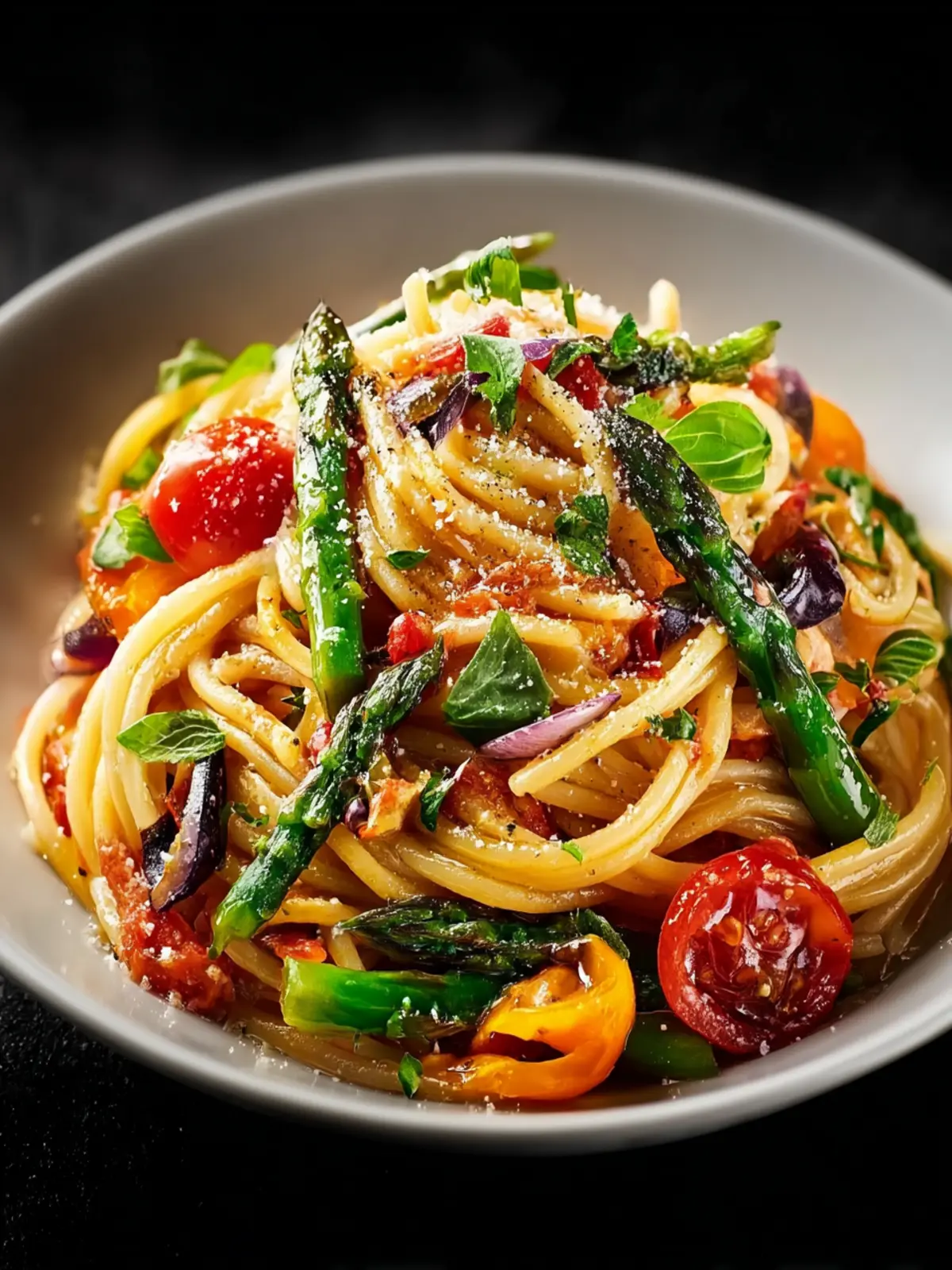
Variations of Vegetarian Pasta Primavera
Vegetarian pasta primavera isn’t just a dish—it’s a canvas for creativity! With its vibrant colors and fresh flavors, you can easily customize this dish to suit any taste or dietary preference. Here are some delightful variations that can elevate your pasta primavera experience.
Seasonal Vegetable Twist
One of the best parts about vegetarian pasta primavera is that it embraces seasonal produce. In spring, think asparagus and peas, while summer calls for bell peppers, cherry tomatoes, and zucchini. You can even venture into fall with roasted butternut squash and Brussels sprouts, making it not only delicious but also incredibly fresh.
Protein Boost
If you’re looking to add a little extra protein to the mix, consider incorporating chickpeas or white beans. These not only add nutritional value but also enhance the dish’s texture. Tofu is another great option; simply sauté it until golden and toss it with your vegetables for a hearty meal.
Flavor Enhancements
Don’t forget about herbs and spices! Fresh basil, parsley, or thyme can brighten your dish instantly. A sprinkle of red pepper flakes adds a nice kick, while a drizzle of balsamic glaze or a squeeze of lemon juice can take your dish to new heights of flavor.
Whole Grain Options
For a healthier spin, swap your regular pasta for whole grain or chickpea pasta. These alternatives are not only higher in fiber but also provide a nutty flavor that complements the fresh veggies beautifully.
These variations allow for endless possibilities with vegetarian pasta primavera, so feel free to experiment and make it your own!
Cooking Tips and Notes for Vegetarian Pasta Primavera
Creating the perfect vegetarian pasta primavera is not just about following a recipe; it’s about embracing the vibrant colors and flavors of fresh vegetables. This dish is not only a feast for the eyes but also a delicious way to sneak in extra nutrients. Here are some invaluable tips to elevate your experience.
Choosing Your Vegetables
When selecting vegetables, think about variety. Not only does this enhance the dish’s appearance, but it also adds layers of flavor. Seasonal veggies like zucchini, bell peppers, and cherry tomatoes are stellar options. Feel free to experiment with what’s in your fridge—broccoli, asparagus, or spinach can be delightful additions. The key is to use fresh ingredients for the best flavor.
Pasta Matters
For your vegetarian pasta primavera, opt for whole grain or lentil pasta if you’re looking for added fiber and protein. Cooking your pasta al dente ensures that it holds up well against the sautéed veggies. This added texture will make each bite satisfying.
Timing is Key
Timing is crucial when sautéing your vegetables. Start with the firmer veggies, like carrots and bell peppers, to give them a head start. Add softer ones, like spinach or zucchini, towards the end. This way, everything remains crisp and vibrant.
Seasoning Secrets
A pinch of salt and a splash of olive oil go a long way. Add your seasonings progressively; tasting as you go will ensure perfect flavor balance. Fresh herbs like basil or parsley can be the icing on the cake, adding a fresh aroma to your vegetarian pasta primavera.
With these tips in hand, your journey to a perfect plate of pasta primavera will be rewarding and delightful!
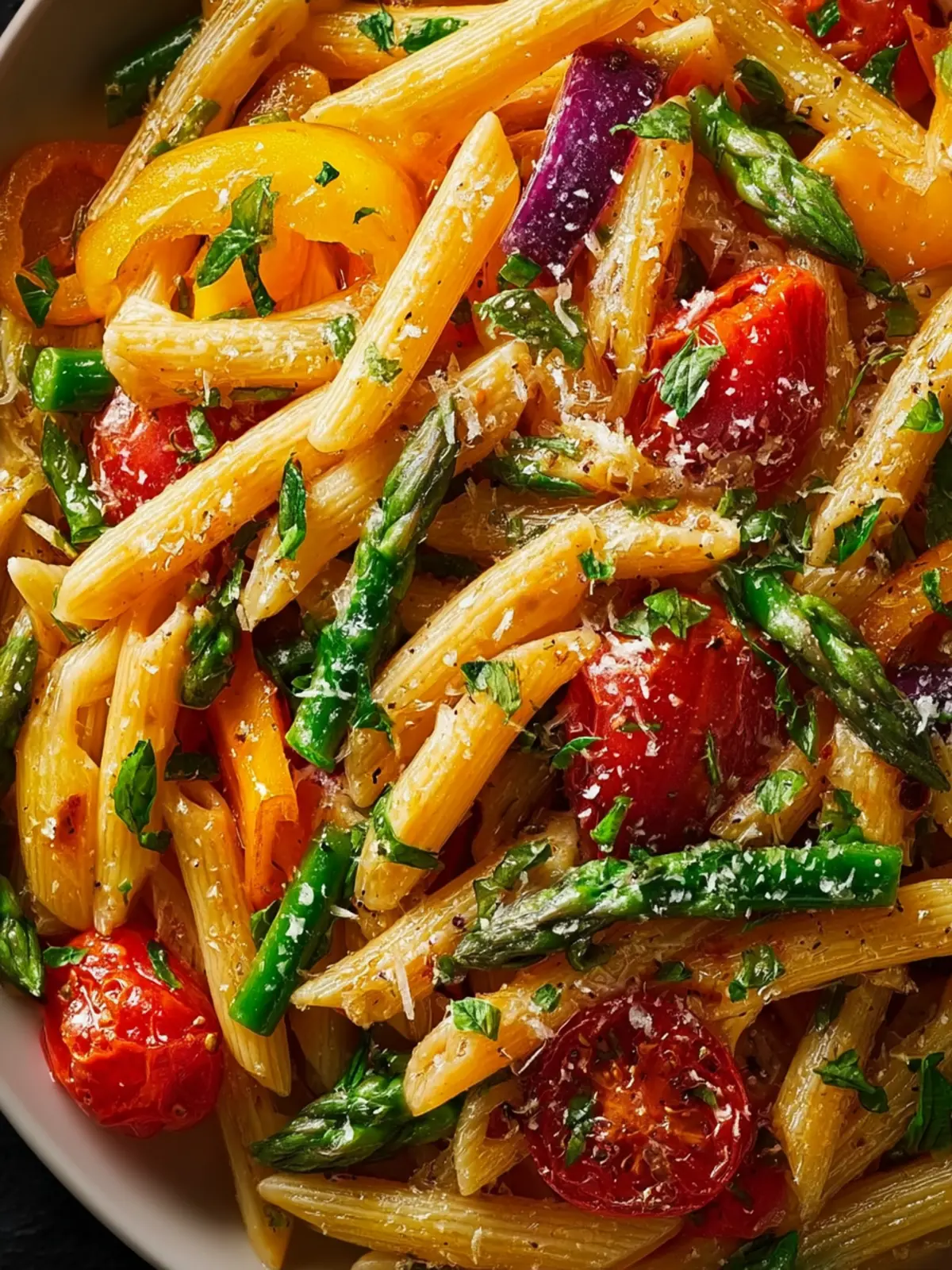
Serving Suggestions for Vegetarian Pasta Primavera
Preparing a delightful vegetarian pasta primavera isn’t just about the dish itself; it’s about how you serve it too! Elevate your dining experience with a few thoughtful touches that enhance both the presentation and flavor.
Perfect Pairings
- Bread: A warm, crusty loaf of garlic bread or an airy focaccia complements the fresh vegetables beautifully, making each bite more satisfying.
- Salad: Consider a light arugula or spinach salad with lemon vinaigrette to balance the hearty pasta. The fresh greens will add a refreshing crunch.
Wine Selection
To elevate your meal, pair your vegetarian pasta primavera with a crisp Pinot Grigio or a light Sauvignon Blanc. These wines enhance the flavors of the vegetables without overpowering them.
Garnishes Matter
Don’t forget the finishing touches! A sprinkle of freshly grated Parmesan or a dash of nutritional yeast for a vegan option can add depth to the dish. A squeeze of lemon juice right before serving brightens all the flavors and adds a lovely zing.
By incorporating these serving suggestions, you’ll create a delightful dining experience that highlights the vibrant flavors of your vegetarian pasta primavera. Enjoy each moment!
Time Breakdown for Vegetarian Pasta Primavera
Creating a vibrant vegetarian pasta primavera is a delightful experience that starts off with a little prep and transitions seamlessly into the cooking process. Understanding the timing can help you enjoy this dish even more!
Preparation Time
Getting everything ready for your vegetarian pasta primavera takes about 15 minutes. During this time, chop your colorful array of vegetables—like bell peppers, zucchini, and cherry tomatoes—and set out your pasta. This step is essential for ensuring a smooth cooking experience.
Cooking Time
Cooking the pasta and sautéing the veggies will take an additional 15 minutes. You’ll want to boil the pasta until al dente and quickly toss the vegetables in olive oil, allowing their flavors to blossom without losing their crispness.
Total Time
In just 30 minutes, your delicious vegetarian pasta primavera will be ready to serve. This quick and flavorful dish fits perfectly into a busy lifestyle, offering a nutritious choice without sacrificing taste or quality. Enjoy!
Nutritional Facts for Vegetarian Pasta Primavera
When savoring the delightful taste of vegetarian pasta primavera, it’s essential to comprehend the nutritional profile that contributes to its wholesome flavor and vibrant appeal. This dish is bursting with fresh vegetables and aromatic ingredients, making it not only delicious but also a balanced meal option.
Calories
A typical serving of vegetarian pasta primavera contains approximately 350-400 calories, depending on the type of pasta used and the quantity of oil added. This makes it a satisfying yet lighter choice compared to traditional creamy pasta dishes, allowing you to indulge without the guilt.
Protein
In a serving, you’ll find about 12-15 grams of protein. This comes from the pasta and the variety of veggies, making it a good source of plant-based protein. Adding ingredients like chickpeas or legumes can elevate this number further, perfect for those looking to boost their protein intake.
Sodium
A serving of vegetarian pasta primavera usually contains around 300-400 milligrams of sodium. This level can vary based on the types of sauces or seasonings you choose. Opting for low-sodium vegetable broth or reducing the amount of salt can help keep this dish heart-friendly while maintaining its delicious taste.
FAQs about Vegetarian Pasta Primavera
When you think of vegetarian pasta primavera, you might picture a vibrant dish overflowing with seasonal veggies and colorful pasta. But what happens when you’re craving something a little different? Let’s dive into some frequently asked questions to enhance your pasta experience.
Can I add more vegetables?
Absolutely! One of the best things about vegetarian pasta primavera is its versatility. Feel free to experiment with any vegetables you have on hand. Broccoli, asparagus, zucchini, or even bell peppers are fantastic additions. Just sauté them in the same skillet with olive oil and garlic until they’re tender but still crisp to maintain that refreshing crunch.
Is this pasta dish suitable for meal prep?
Definitely! Vegetarian pasta primavera is an excellent choice for meal prep, as it keeps well in the fridge and can be enjoyed warm or cold. To make it even easier, cook a big batch of pasta and veggies, then portion them into containers. Just add your sauce when you’re ready to eat. You can store it in the refrigerator for about 3 to 4 days, making it perfect for busy weeks.
What can I substitute for Parmesan cheese?
No Parmesan? No problem! There are several substitutes that can give your vegetarian pasta primavera a similar depth of flavor. Nutritional yeast is a popular vegan alternative, adding a cheesy taste while being dairy-free. Alternatively, you could use pecorino or a sprinkle of feta for a different flavor profile. Don’t hesitate to get creative and find what works for your taste!
Conclusion on Vegetarian Pasta Primavera
In crafting a delightful vegetarian pasta primavera, you’ve created more than just a meal; you’ve woven together a tapestry of flavor and color. This dish is a brilliant celebration of seasonal vegetables, where every bite tells a story of freshness. By using ingredients like crisp bell peppers, vibrant zucchini, and sweet cherry tomatoes, it not only delights the palate but also nourishes the body. Serve it as a perfect weeknight dinner or an impressive dish for guests, and don’t forget—feel free to customize it with your favorite veggies or aromatic herbs! Enjoy your culinary adventure and the joy that comes with each serving.
Print
Pasta with Vegetables
- Total Time: 25 minutes
- Yield: 4 servings 1x
- Diet: Vegetarian
Description
A delicious and colorful pasta dish featuring bell peppers, zucchini, and cherry tomatoes, seasoned with garlic and topped with Parmesan cheese.
Ingredients
Scale
- 8 oz pasta (spaghetti or penne)
- 2 tbsp olive oil
- 1 bell pepper, sliced
- 1 zucchini, sliced
- 1 cup cherry tomatoes, halved
- 1 cup broccoli florets
- 2 cloves garlic, minced
- to taste salt and pepper
- optional Parmesan cheese
- optional fresh basil for garnish
Instructions
- Cook the pasta according to package instructions until al dente. Drain and set aside.
- In a large skillet, heat the olive oil over medium heat. Add the sliced bell pepper, zucchini, and broccoli. Sauté for about 5 minutes until tender but still crisp.
- Stir in the halved cherry tomatoes and minced garlic, cooking for an additional 2-3 minutes.
- Add the cooked pasta to the skillet and toss everything together. Season with salt and pepper to taste.
- Serve warm, topped with Parmesan and fresh basil if desired.
Notes
- This dish can be customized with any seasonal vegetables.
- For a vegetarian option, omit the Parmesan cheese or use a dairy-free alternative.
- Prep Time: 10 minutes
- Cook Time: 15 minutes
- Category: Main Course
- Method: Stovetop
- Cuisine: Mediterranean
Nutrition
- Serving Size: 1 cup
- Calories: 350
- Sugar: 4g
- Sodium: 200mg
- Fat: 10g
- Saturated Fat: 1.5g
- Unsaturated Fat: 8g
- Trans Fat: 0g
- Carbohydrates: 55g
- Fiber: 4g
- Protein: 12g
- Cholesterol: 5mg