Follow Me On Social Media!


Homemade Yogurt: Creamy Bliss You Can Make in Minutes!

Introduction to Homemade Yogurt
Homemade yogurt has a certain charm that store-bought varieties simply cannot match. Picture this: a creamy, rich bowl of yogurt, fresh from your kitchen, laden with probiotics and tailored to your taste. The idea of making your own yogurt can feel daunting at first, but once you dive into the process, it’s truly a game-changer. With just a few simple ingredients, you can whisk up a batch of homemade yogurt that not only enhances your meals but also contributes to your well-being.
Why homemade yogurt is a game-changer? For many, the allure lies in the simplicity and health benefits. Unlike commercial yogurts, which may contain unwanted preservatives, sugars, and artificial flavorings, homemade yogurt puts you in control. You can adjust the tartness, sweetness, and texture to meet your personal preferences. Want it a bit sweeter? Add some honey or fresh fruit. Prefer a thicker consistency? Strain it a bit longer—your kitchen, your rules!
Moreover, the health benefits of homemade yogurt are impressive. Rich in probiotics, it supports gut health and boosts your immune system. A study published in the Journal of Dairy Science shows that probiotics not only improve digestion but also enhance nutrient absorption. This means every spoonful can contribute positively to your health.
Making yogurt at home also fosters a sense of accomplishment. There’s something meditative about nurturing your yogurt culture as it transforms over time. You’ll find yourself excitedly checking on it as it thickens and develops flavor. Plus, the additional cost savings over time can free up funds for other kitchen experiments or that fancy dining experience you’ve been eyeing.
In the upcoming sections, we will explore the specifics of the ingredients and step-by-step instructions to create your own homemade yogurt. It’s time to embrace the culinary adventure of crafting yogurt that’s distinctly yours!
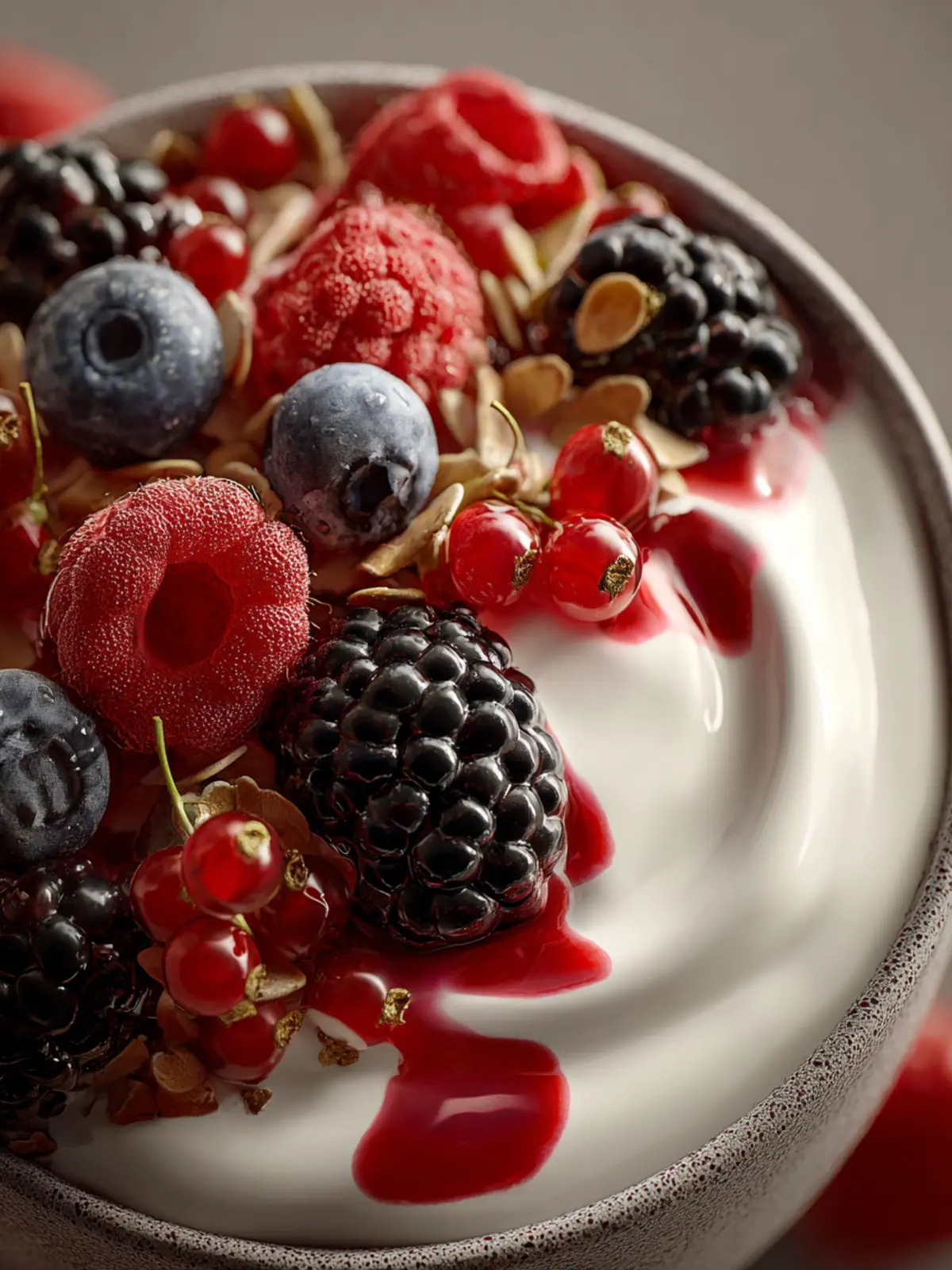
Key Ingredients for Homemade Yogurt
Creating your own homemade yogurt is both a fun adventure and a delightful way to enjoy creamy, tangy goodness. The right ingredients are crucial to achieving that perfect consistency and flavor.
Milk: The foundation of your yogurt, milk can be whole, low-fat, or even non-dairy. I prefer using whole milk for its rich texture, which contributes to creaminess. However, any type of milk will work, so choose what aligns with your dietary preferences.
Starter Culture: This magical ingredient contains beneficial bacteria, transforming your milk into yogurt. You can use a couple of tablespoons of store-bought yogurt (with live cultures) to kickstart the fermentation process. Just make sure it isn’t heat-treated!
Sugar: While optional, adding a little sugar can balance the tartness. I like to use honey or maple syrup for sweetness, but granulated sugar will do if that’s all you have on hand.
Flavorings: Experimenting with flavorings like vanilla extract or fruit purees can elevate your homemade yogurt to a new level.
Why You’ll Love This Homemade Yogurt
Homemade yogurt can transform your mornings and snacks into something extraordinary. Imagine waking up to the rich, creamy texture of your very own yogurt, knowing exactly what went into it. There’s something rewarding about creating something from scratch, especially when it’s so simple and versatile.
Taste the Freshness
Once you try homemade yogurt, you’ll realize it tastes far superior to store-bought varieties. The freshness is unparalleled. You can adjust the tanginess to your liking by controlling the fermentation time. Plus, if you opt for whole milk, expect a creamy indulgence that’s hard to resist.
Health Benefits Abound
Crafting your own yogurt means you can fill it with probiotics, essential for gut health. Studies show that consuming probiotics can aid digestion and even boost your immune system. You can even customize your creations by adding fruits, honey, or nuts, making it not just healthy but also enjoyable.
Eco-Friendly Choice
Making yogurt at home reduces the need for plastic packaging often found in store-bought versions. It’s an easy step towards a more sustainable lifestyle and will leave you feeling accomplished.
With homemade yogurt, you get a delicious product tailored to your taste, all while being kind to the planet. It’s a win-win that’s as good for your palate as it is for your lifestyle.
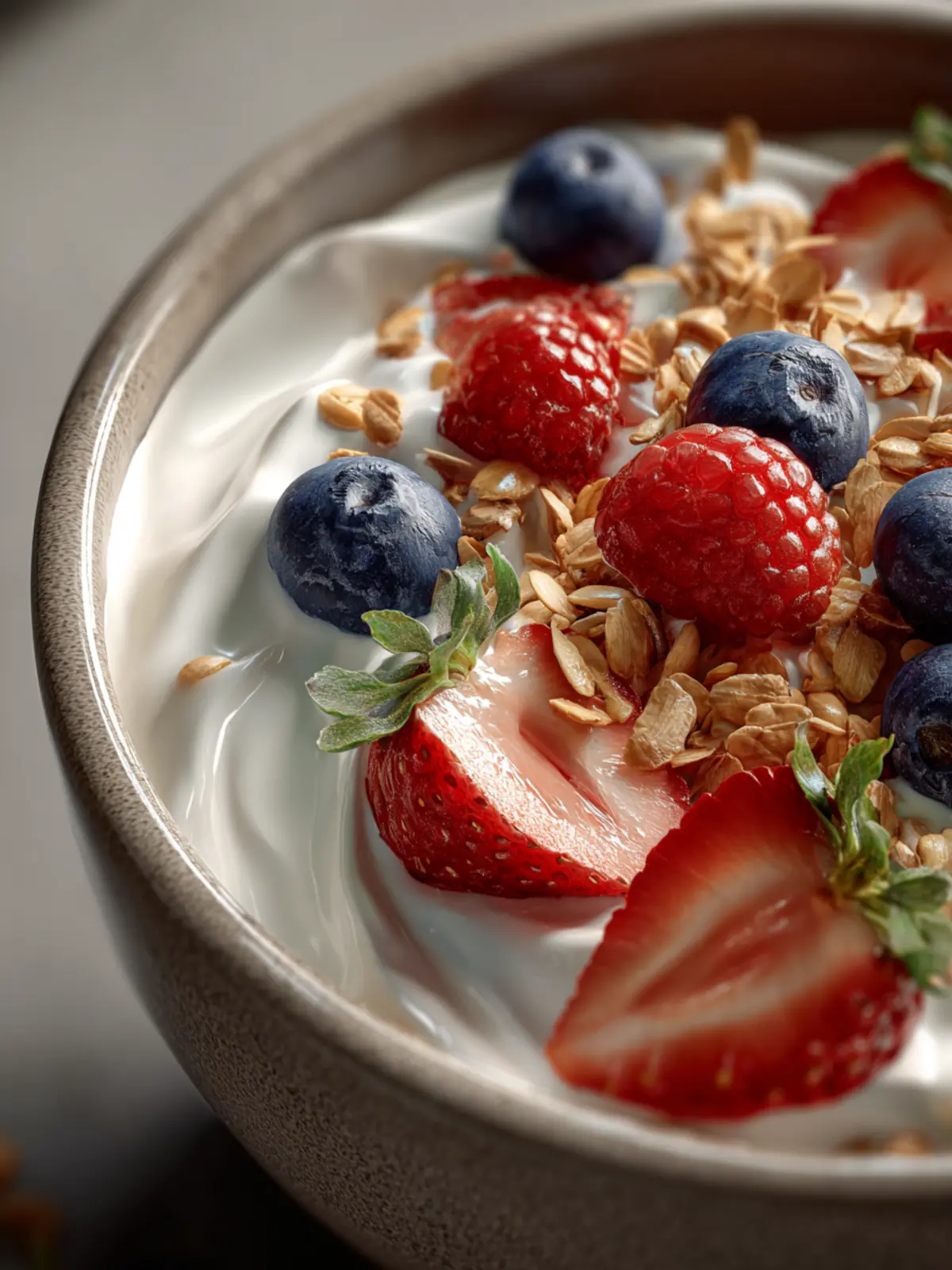
Variations of Homemade Yogurt
Exploring the world of homemade yogurt opens a delightful door to endless variations that can excite your palate. Whether you’re looking to spice up your breakfast routine or create a refreshing snack, there’s something for everyone.
Fruity Add-ins
Adding fresh fruits to your homemade yogurt can enhance its flavor and nutritional profile. Berries, such as strawberries and blueberries, are not only vibrant but also packed with antioxidants. Consider blending in mango or even tropical fruits like passion fruit to create a fresh, island-inspired treat.
Herbs and Spices
Don’t shy away from experimenting with herbs and spices. A touch of vanilla extract can bring warmth, while a sprinkle of cinnamon or nutmeg can add a cozy, aromatic twist. For a savory option, try mixing in some herbs like dill or mint for a delightful yogurt dip that pairs perfectly with veggie platters.
Nutty Crunch
Adding nuts or seeds gives your homemade yogurt an irresistible crunch. Almonds, walnuts, or chia seeds can be great choices, providing not only texture but also healthy fats. Combine them with honey or maple syrup for a sweet, nutty treat.
Flavored Yogurts
If you’re drawn to flavored yogurts, consider infusing your base with ingredients like cocoa powder for chocolate yogurt or matcha for a green tea twist. The possibilities are endless, making homemade yogurt a canvas for your culinary creativity!
Cooking Tips and Notes for Homemade Yogurt
Crafting homemade yogurt is not only a delightful culinary adventure but also a rewarding experience that transforms a few simple ingredients into a creamy, tangy treat.
Choose Quality Milk
Start with high-quality milk. Whether you prefer whole, 2%, or low-fat, fresh milk is key to achieving a rich texture and flavor. Avoid ultra-pasteurized milk, as it can hinder the fermentation process.
Temperature Matters
Before adding your yogurt culture, heat the milk to about 180°F and then cool it to around 110°F. This ensures that the bacteria can thrive during fermentation. A simple kitchen thermometer can help with this, so your yogurt sets perfectly.
Maintain Consistent Temperature
Keeping your yogurt at a stable temperature (around 110°F) during fermentation is essential. You can use an oven with the light on, a yogurt maker, or even an insulated cooler. This consistent warmth promotes healthy bacteria growth.
Fermentation Duration
Let your yogurt ferment for 6 to 12 hours, depending on how tangy you like it. Taste-test at intervals to find your perfect balance!
Store Wisely
Once set, store your yogurt in airtight containers in the refrigerator. Homemade yogurt holds well for about two weeks—though I doubt it’ll last that long because it’s so delicious!
With these tips in hand, you’re all set to whip up delightful homemade yogurt that you’ll enjoy in countless ways.
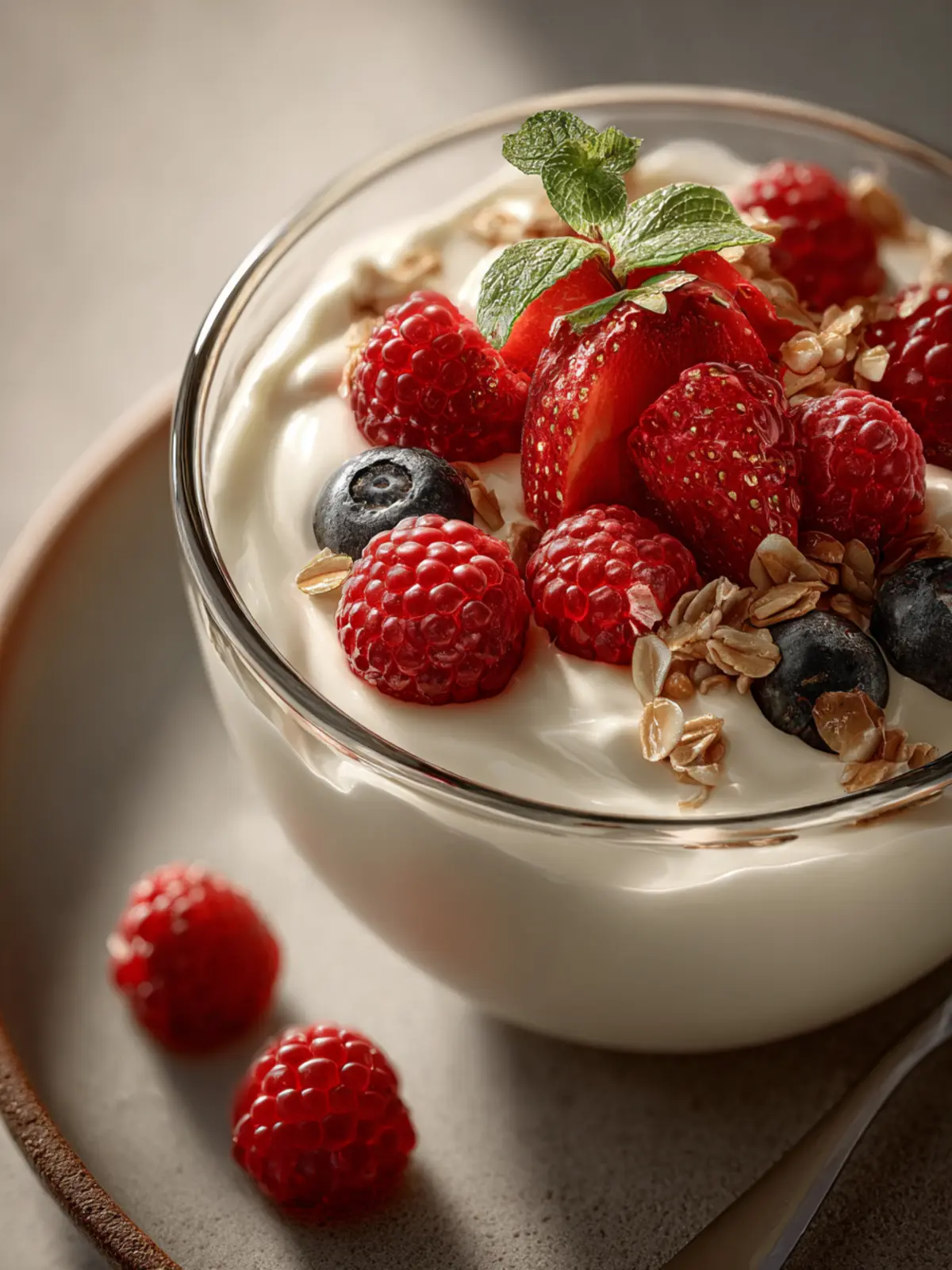
Serving Suggestions for Homemade Yogurt
Crafting homemade yogurt in your kitchen opens the door to endless possibilities for delightful serving ideas that can elevate your meals or snacks. I still remember the first time I made yogurt from scratch; it was transformative, and I was quite amazed at its versatility.
Delightful Breakfast Bowls
Try serving your homemade yogurt as a base for a nutritious breakfast bowl. Simply top it with fresh fruits like berries or bananas, a sprinkle of granola for crunch, and a drizzle of honey for added sweetness. This combination is not only visually stunning but also a powerhouse of nutrition to start your day on a positive note.
Savory Dips and Dressings
Have you ever considered using homemade yogurt in savory dishes? Mix your yogurt with garlic, herbs, and lemon juice for a quick and refreshing dip that pairs beautifully with vegetables or pita bread. Alternatively, you can use it as a creamy dressing for salads that crave a tangy flair.
An Elegant Dessert
For a simple yet elegant dessert, consider blending your homemade yogurt with a bit of vanilla or cocoa powder. Chill it and serve it alongside some dark chocolate shavings or fresh fruit compote. The creamy texture makes it a perfect, indulgent treat without being overly rich.
Incorporate these serving suggestions into your routine, and watch your homemade yogurt become a staple in your meals!
Time Breakdown for Homemade Yogurt
Making homemade yogurt is not just about mixing ingredients; it’s a delightful process that rewards your patience with creamy goodness. Here’s how the time breaks down:
Preparation Time
Getting started takes about 15 minutes. This includes gathering your ingredients, heating the milk, and mixing in your yogurt starter.
Fermentation Time
The real magic happens during fermentation, which takes approximately 6 to 12 hours, depending on how tangy you like your yogurt. While you can sleep soundly, your yogurt cultures are hard at work!
Total Time
In total, you’re looking at around 6 hours and 15 minutes to 12 hours and 15 minutes from start to finish. This hands-off approach to yogurt-making makes it a perfect fit for your busy lifestyle. Enjoy the anticipation of tasting your homemade creation!
Nutritional Facts for Homemade Yogurt
Creating homemade yogurt not only allows you to control what goes into your food but also provides a wonderful array of nutritional benefits. As you enjoy this creamy delight, consider these key nutritional facts that make it a worthy addition to your diet.
Calories
A typical serving of homemade yogurt contains approximately 100 calories, making it a satisfying yet low-calorie option for various meals or snacks throughout your day.
Protein
Homemade yogurt is an excellent source of protein, offering about 10 grams per serving. This high protein content aids in muscle repair and keeps you feeling full longer, perfect for those busy workdays.
Calcium
Rich in calcium, homemade yogurt provides about 30% of your daily recommended intake. This essential nutrient supports strong bones and teeth, making it a smart choice for maintaining overall health.
FAQs about Homemade Yogurt
Creating homemade yogurt is an exciting culinary adventure that invites you into the world of probiotic-rich flavors and textures. As you embark on this journey, you’ll likely have a few questions swirling in your mind. Let’s tackle some of the most common ones together.
Can I use different types of milk?
Absolutely! While whole milk is often preferred for its creamy texture, feel free to experiment with other types of milk. Here are a few options to consider:
- 2% Milk: Creates a slightly thinner yogurt but still retains a nice flavor.
- Skim Milk: Will yield a lower-fat yogurt, but the texture may be a bit watery.
- Non-Dairy Options: Almond, coconut, or soy milk can work too, but make sure they contain live cultures for successful fermentation.
How do I know if my yogurt has fermented properly?
Observation is key! Properly fermented yogurt should have:
- A tangy smell, signaling that fermentation is taking place.
- A thicker texture compared to the original milk.
- A slightly jiggly consistency.
If it smells off or has an unusual appearance (think unexpected colors or a curdled look), it’s better to err on the side of caution and discard it.
What should I do if my yogurt is too runny?
Runny homemade yogurt can be disappointing, but don’t fret! Here are some solutions:
- Strain it: Use a cheesecloth or a fine mesh strainer. This can help remove excess whey and thicken your yogurt.
- Blend it: Sometimes, a quick blend can help achieve a more consistent texture.
- Use it in smoothies or recipes: If all else fails, incorporate the runny yogurt into smoothies, dressings, or baked goods where texture isn’t as critical.
By understanding these common queries, you can navigate the homemade yogurt-making process like a seasoned pro!
Conclusion on Homemade Yogurt
Embracing the art of making homemade yogurt not only allows you to enjoy a delicious, creamy treat, but it also fosters a deeper connection to your food. With just a few simple ingredients and a little patience, you can create a nutritious and versatile staple perfect for any meal or snack. Imagine the joy of adding your favorite fruits, nuts, or sweeteners to a fresh batch straight from your kitchen. Plus, knowing what’s in your yogurt gives you full control over your health and flavor choices. Why not dive into this flavorful journey today and savor the richness of your very own homemade yogurt?
Print
Homemade Yogurt
- Total Time: 6 to 12 hours 10 minutes
- Yield: 4 cups 1x
- Diet: Vegetarian
Description
Learn how to make creamy homemade yogurt with simple ingredients.
Ingredients
Scale
- 4 cups whole milk (can substitute 2% or skim milk)
- 2 tablespoons plain, live-culture starter yogurt
- Honey or maple syrup (to taste, added after fermentation)
- Vanilla extract (to taste, added after fermentation)
- Fresh fruit purees (as desired, added after fermentation)
Instructions
- Pour the milk into a clean pot and slowly heat it until it reaches 180°F (82°C). This step kills unwanted bacteria and alters milk proteins, ensuring your yogurt sets with a creamy texture.
- Remove the pot from heat and let the milk cool down to around 110°F (43°C), the ideal temperature for adding the starter culture without harming beneficial bacteria.
- Scoop 2 tablespoons of plain starter yogurt into a bowl, stir in a little warm milk to make it smooth, then gently mix this back into the pot of cooled milk.
- Transfer the mixture to a clean container, cover it, and keep it warm for 6 to 12 hours. Use a yogurt maker, an oven with the light on, or wrap it in a towel to maintain a steady temperature.
- Once the yogurt has set and developed a pleasant tang, refrigerate it for at least 4 hours to firm up. Serve chilled plain or with your favorite toppings.
Notes
- This yogurt can be sweetened to taste after fermentation.
- Adjust the fermentation time based on your desired tartness.
- Prep Time: 10 minutes
- Cook Time: 6 to 12 hours
- Category: Dairy
- Method: Fermentation
- Cuisine: Global
Nutrition
- Serving Size: 1 cup
- Calories: 150
- Sugar: 10g
- Sodium: 100mg
- Fat: 8g
- Saturated Fat: 5g
- Unsaturated Fat: 2g
- Trans Fat: 0g
- Carbohydrates: 12g
- Fiber: 0g
- Protein: 8g
- Cholesterol: 30mg